Does your dog gulp down meals in seconds, barely pausing to breathe? If you’ve ever watched your furry friend inhale their food and worried, you’re not alone. Many pet parents face the challenge of a dog eating too fast, a habit that can lead to health risks like choking, bloating, and digestive problems. Thankfully, there are practical, gentle ways to help your pup savor each bite and develop safer, healthier eating habits. In this guide, we’ll explore how to slow down a dog from eating too fast, including must-try dog feeding tips, the science behind slow feeder bowls, and creative solutions to make mealtime enjoyable and safe for your canine companion.
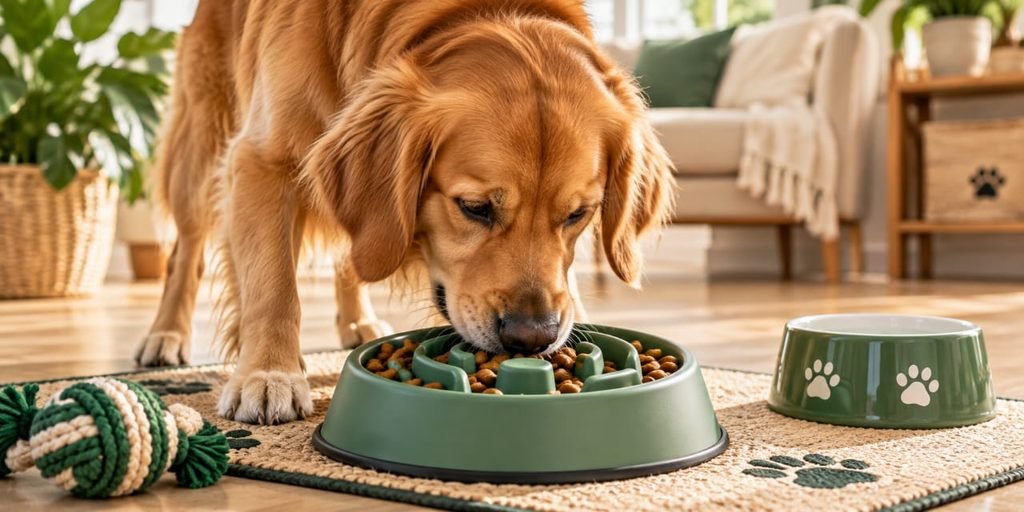
Before diving into solutions, it’s important to understand why so many dogs eat quickly. For some, it’s instinctual—ancestral wolves and wild canines often had to compete for food, so eating quickly meant survival. For others, competition in multi-pet households or a history of food scarcity can trigger rapid eating habits. Additionally, some dogs may simply love their food so much that patience goes out the window at mealtime. Recognizing the root cause can help you tailor your approach to slow feeding.
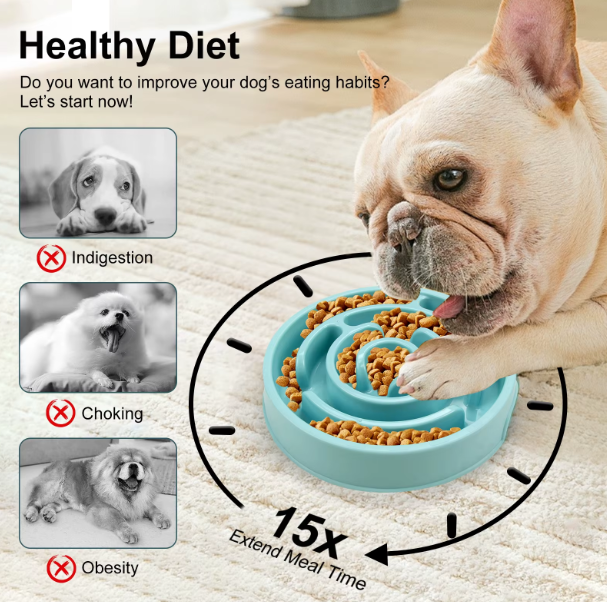
Letting your dog wolf down meals may seem harmless, but it poses real health risks. Fast eating can cause choking, gagging, vomiting, and even life-threatening bloating (gastric dilatation-volvulus or GDV), especially in large, deep-chested breeds. Overeating too quickly can also lead to poor digestion and nutrient absorption. Learning how to slow down dog eating is not just about manners—it’s about keeping your pet healthy and comfortable.
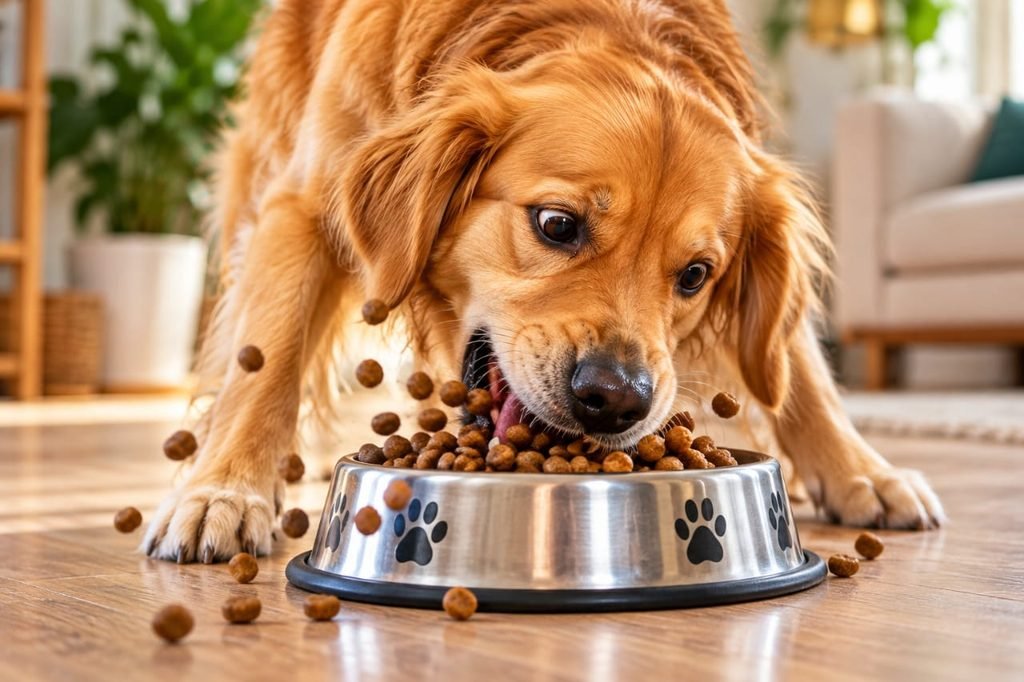
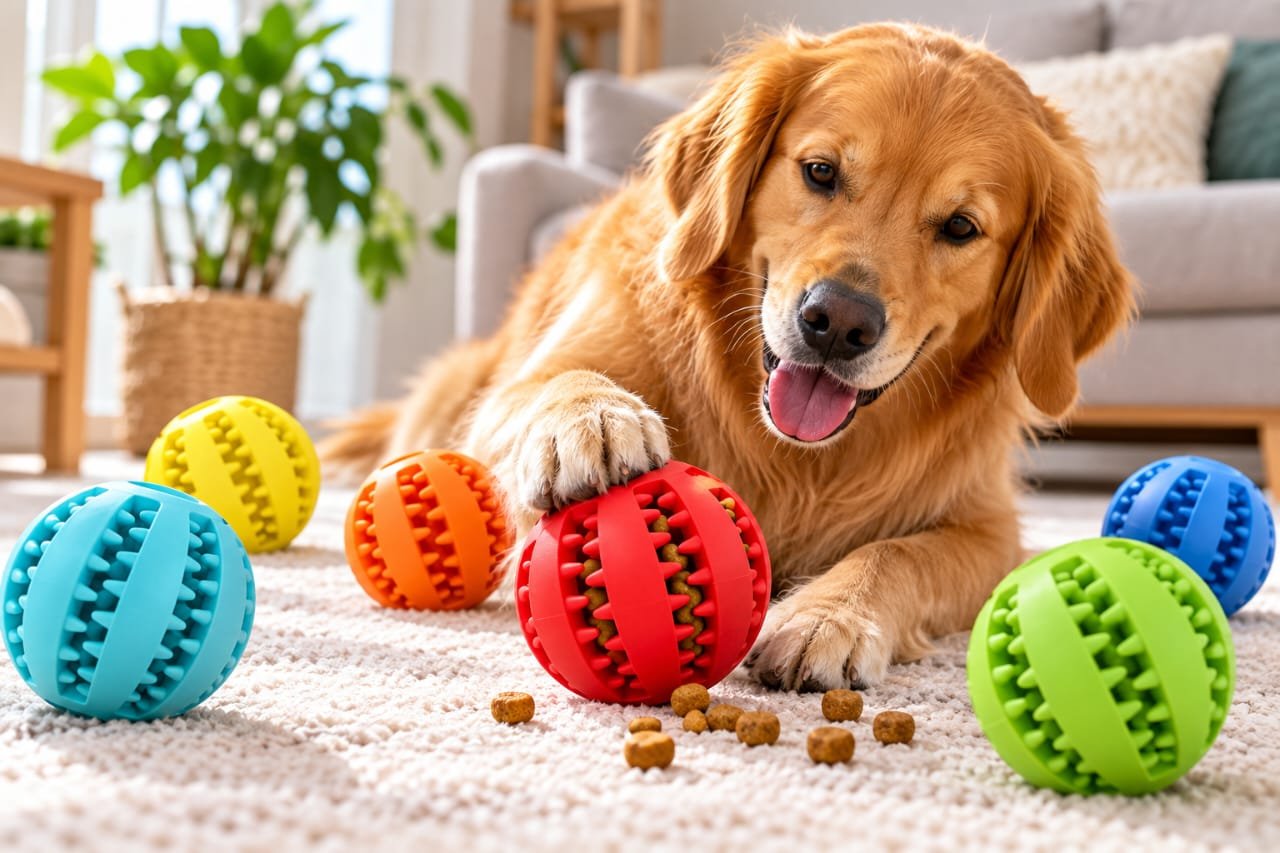
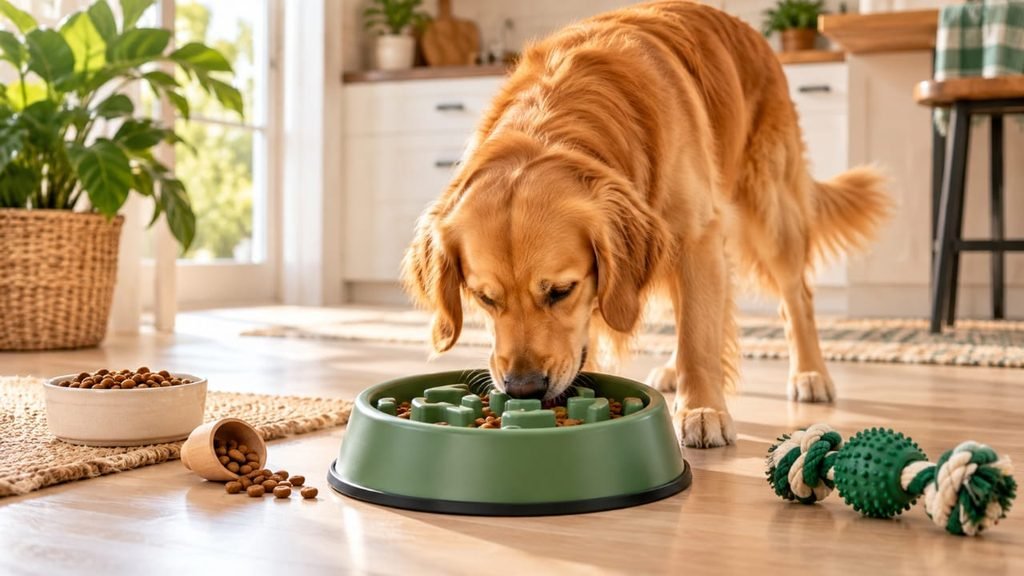
A slow feeder bowl for dogs is specially designed to prolong mealtime. These bowls feature ridges, mazes, or obstacles that force your dog to navigate and work for their food, naturally reducing their eating speed. Available in various materials and sizes, slow feeding bowls cater to all breeds and ages. This simple change can be a game-changer for dogs who eat too fast, turning a risky gulp-fest into a fun, enriching challenge.
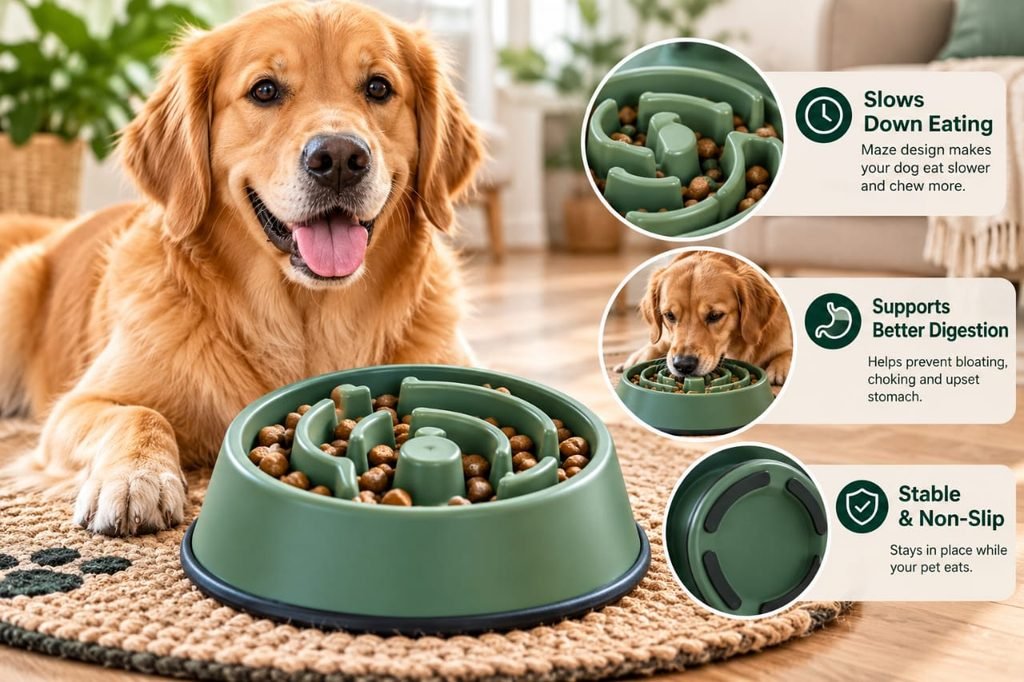
When selecting a slow feeding bowl, consider your dog’s size, breed, and eating habits. Smaller dogs may benefit from shallow bowls with narrow mazes, while larger breeds might need sturdier, deeper options. Materials matter too stainless steel and BPA-free plastic are both popular for durability and safety. Check for non-slip bases to prevent sliding, and make sure the bowl is easy to clean. Read reviews and look for reputable brands recommended by veterinarians or pet experts.
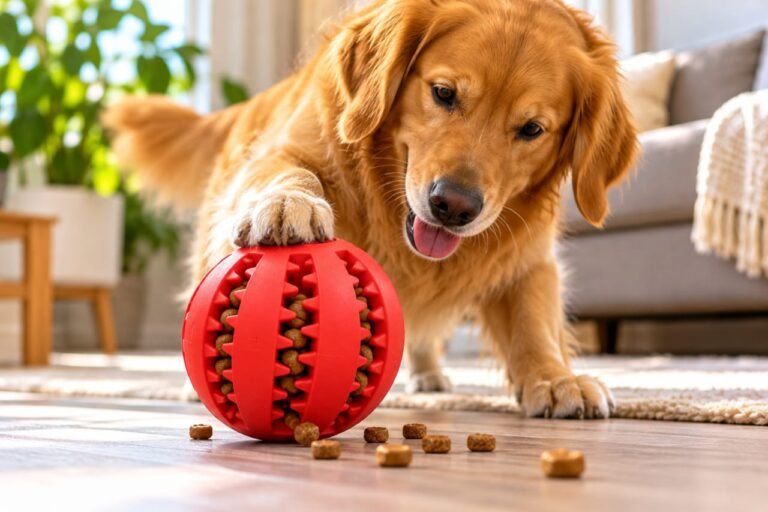
Besides slow feeder bowls, there are other clever strategies to help your dog eat at a healthier pace. Try spreading kibble on a large baking sheet or scattering it across a snuffle mat to engage your dog’s nose and foraging instincts. Food-dispensing toys, such as puzzle feeders or treat balls, can also turn mealtime into mental stimulation. Some pet parents even use muffin tins, placing a small amount of food in each cup, to encourage slower eating and exploration.
Feeding your dog smaller, more frequent meals can prevent the urge to binge. Divide your dog’s daily food allowance into two or three servings rather than one large meal. Scheduled feeding times, rather than free-feeding, establish routine and reduce anxiety around food. This approach gives your dog time to digest and can significantly slow down their eating pace.
Positive reinforcement can work wonders to change your dog’s eating behavior. Start by giving small amounts of food at a time, rewarding your dog for eating calmly. You can also teach a “wait” command before allowing them to start eating. Gradually increase the wait time as your dog learns patience. Consistency is key, and with time, your dog will associate slow eating with positive attention and rewards.
If your dog’s fast eating is rooted in anxiety or resource guarding, it’s crucial to address the emotional triggers. Feed your dog in a calm, quiet area away from other pets. Avoid hovering or creating a stressful environment during meals. For severe cases, consult a certified dog trainer or behaviorist to work on desensitization and building trust around food.
If your dog’s eating speed suddenly changes, or if you notice symptoms like vomiting, bloating, or distress after meals, consult your veterinarian promptly. Medical conditions such as parasites, gastrointestinal disorders, or metabolic issues can contribute to abnormal eating behaviors. A professional assessment ensures your dog’s rapid eating isn’t a sign of something more serious.
You don’t have to spend a fortune to help your dog eat slower. Household items like muffin tins, ice cube trays, or even a clean, heavy-duty rock (too large to swallow) placed in their bowl can slow down eating by creating obstacles. Always supervise your dog with DIY solutions and ensure all materials are safe, non-toxic, and too large to be swallowed. These homemade options can be especially handy for testing slow feeding methods before investing in specialty products.
Establishing healthy eating habits early can prevent issues down the road. Always provide fresh water with meals, stick to a consistent feeding schedule, and monitor your dog’s weight and body condition. Avoid feeding immediately after vigorous exercise, and give your dog a quiet place to eat undisturbed. Regularly rotate slow feeding strategies to keep mealtime stimulating and prevent boredom. Remember, patience and consistency are essential for lasting results.
Combining mealtime with enrichment activities not only slows down your dog’s eating but also provides important mental stimulation. Dogs are natural foragers and problem-solvers, and integrating puzzle feeders, snuffle mats, or treat-dispensing toys into their feeding routine engages these instincts. For example, hiding small portions of kibble around the house or yard and encouraging your dog to sniff them out transforms eating into a fun, rewarding game. This approach helps reduce stress and anxiety, especially for high-energy or easily bored pups.
If you’re new to enrichment-based feeding, start with simple puzzles and gradually increase the challenge as your dog becomes more adept. Not only does this slow their eating, but it also reduces destructive behaviors by channeling energy into positive outlets. Make sure to supervise during these sessions and adjust portion sizes to account for any treats or additional calories offered through enrichment activities.
Every dog is different, and what works for one may not work for another. It’s essential to monitor your dog’s progress as you implement slow feeding strategies. Keep a journal or use a note-taking app to track how long meals take, your dog’s enthusiasm, and any changes in digestion or behavior. If you notice persistent issues—such as frustration, ongoing gulping, or disinterest in food—don’t hesitate to tweak your approach. Sometimes rotating between different types of slow feeders or combining several methods yields the best results.
Regularly consult with your veterinarian, especially during dietary or routine changes. They can help you assess your dog’s weight, nutritional intake, and overall wellbeing, ensuring that your slow feeding efforts are supporting, not hindering, their health goals. Remember, patience and flexibility are key celebrate small milestones and stay committed to your dog’s evolving needs.
Beyond the pace of eating, the quality and type of food you offer can significantly impact your dog’s behavior at mealtime. Highly palatable, calorie-dense foods can encourage rapid consumption. In contrast, diets rich in fiber and complex carbohydrates may promote a feeling of fullness and naturally slow eating. Consult your veterinarian about choosing a balanced, high-quality dog food that meets your pet’s age, breed, and activity level. For some dogs, adding low-sodium broth, steamed vegetables, or a small amount of wet food can increase meal satisfaction and slow their eating rate.
Be cautious with table scraps and human foods, as these can increase excitement and lead to faster, less mindful eating. Instead, focus on a consistent diet and use healthy treats sparingly during training or enrichment activities.
Certain breeds are more prone to rapid eating than others. For example, large, deep-chested breeds like Labradors, German Shepherds, and Boxers are notorious for gulping food and are at higher risk for bloat. On the other hand, some toy breeds may prefer to graze throughout the day. Understanding your dog’s breed tendencies can help you tailor your slow feeding approach. Breeds with short muzzles or flat faces (brachycephalic dogs) may need specially designed slow feeders to accommodate their facial structure and ensure safe, comfortable eating. If you’re unsure what works best for your dog’s breed, consult a breed club, your veterinarian, or reputable pet nutrition resources for guidance.
Dogs may eat quickly due to instinct, competition with other pets, past food scarcity, or simply because they enjoy their food. Understanding the underlying cause can help you find the most effective solution.
Yes, slow feeder bowls are generally safe for most dogs. Choose a bowl that fits your dog’s size and eating style, and always supervise initially to ensure they can access their food comfortably.
Absolutely. Rapid eating can lead to choking, vomiting, bloating, and in severe cases, gastric dilatation-volvulus (GDV), a life-threatening emergency. Slowing down your dog’s eating reduces these risks.
Try spreading kibble on a baking sheet, using a muffin tin, or placing clean, large objects in your dog’s regular bowl to create obstacles. Always ensure anything used is safe and cannot be swallowed.
Most veterinarians recommend feeding adult dogs twice a day. Smaller, more frequent meals can help regulate digestion and prevent overeating, especially for dogs who eat too fast.
Yes. Sudden changes in appetite or eating speed may signal underlying health issues. Consult your veterinarian if you notice significant or persistent changes in your dog’s behavior around food.
Slow feeding can help manage weight by promoting mindful eating and preventing overeating. Combine slow feeding with portion control and regular exercise for best results.
Yes, slow feeder bowls can be very beneficial for puppies, helping them learn healthy eating habits from an early age. Choose a bowl with puppy-appropriate design and size.
Resources like the American Kennel Club and your veterinarian offer valuable guidance on canine nutrition and digestive health.
Ideally, a dog should take 10–15 minutes to eat a meal. If your dog finishes in under a minute, it’s a sign they may be eating too quickly, and slow feeding strategies may help extend their mealtime for better digestion and satisfaction.
Yes, slow feeding can reduce anxiety, improve impulse control, and provide mental stimulation. Many behavioral issues like begging, food guarding, or destructive chewing are alleviated when mealtime becomes a calm, engaging experience.
For best results, incorporate slow feeding strategies at every meal. Consistency helps reinforce healthy habits, keeps your dog mentally engaged, and lowers the risk of health issues associated with fast eating.
Helping your dog slow down at mealtimes is one of the most caring things you can do for their long-term health and happiness. Whether you choose a slow feeder bowl for dogs, try creative DIY solutions, or implement new feeding routines, every small change makes a difference. Remember, every dog is unique be patient as you find the method that works best for your furry friend, and don’t hesitate to seek professional advice when needed. With consistency and a little creativity, you’ll transform mealtime from a race to a nourishing, enriching experience. For more tips on dog feeding and canine wellness, explore trusted resources like the ASPCA or consult your veterinarian. Here’s to happier, healthier, and more mindful meals for every pup!
Looking for an easy way to slow down mealtimes? Explore our Slow Feeder Bowl for Dogs & Cats, designed to help slow fast eaters and make mealtime more engaging.
By staying observant, flexible, and proactive, you support your dog’s overall well-being and strengthen the bond you share. Enjoy the journey of discovering what works best for your canine companion, and celebrate each small victory along the way—a healthier, happier dog is always worth the effort!


Leave a comment