Bringing a dog into your home can be an exciting and rewarding experience, but it also comes with a lot of responsibility. A dog depends on you for food, exercise, training, healthcare, safety, and companionship. If you are a first-time dog owner, it is normal to have questions about what your new companion needs and how to build good habits from the beginning.
Learning how to raise a dog is not about being a perfect dog owner. It is about providing consistent care, understanding your dog’s individual needs, and building a relationship based on trust. Whether you are raising a puppy, adopting an adult dog, or welcoming a rescue dog, the basics are surprisingly simple: provide appropriate food and fresh water, give your dog enough rest and activity, use positive training methods, provide regular veterinary care, and make your home a safe place.
This guide will walk you through the most important parts of dog ownership, from preparing your home and creating a daily routine to training, socialization, nutrition, grooming, enrichment, and recognizing when professional help may be needed.
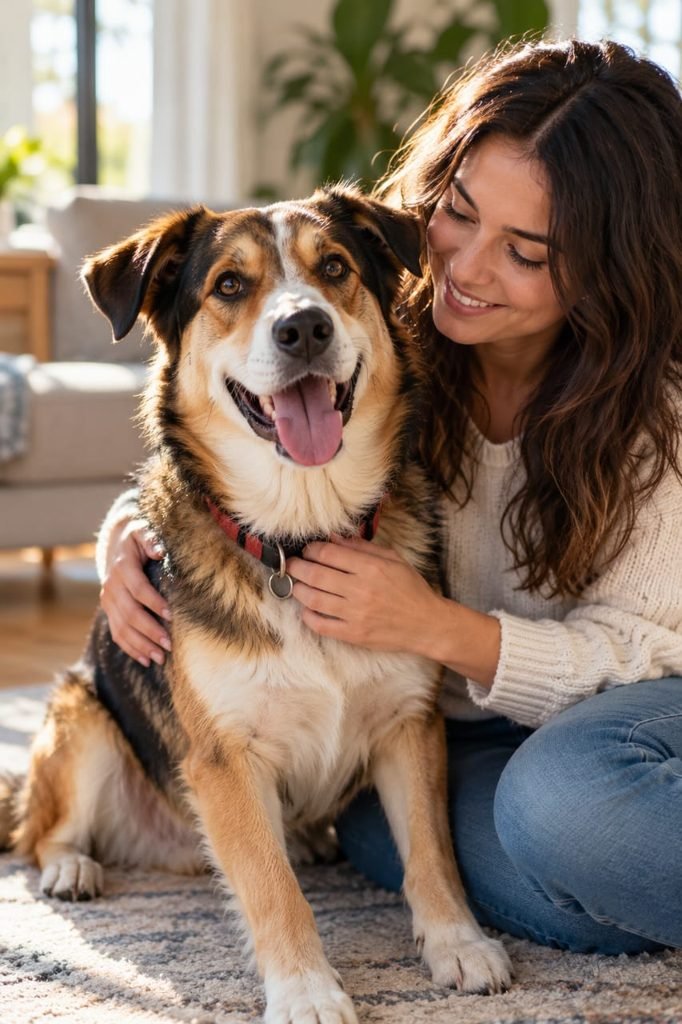
Before getting into training and other details, it helps to understand the basic needs of a dog. Every dog is different, but responsible dog ownership generally includes the following:
Once these basic needs are covered, many common behavior problems become easier to manage because your dog has a predictable and supportive environment.
If you have not chosen your dog yet, think about your lifestyle before focusing on appearance or breed popularity. Different dogs can have very different exercise, grooming, training, and companionship needs.
Consider how much time you have available each day. Someone who enjoys long outdoor activities may be comfortable with a high-energy dog, while someone with a quieter lifestyle may prefer a dog with different activity requirements. Your living space, work schedule, family situation, budget, and experience with dogs should also be considered.
Breed is only one part of the decision. Individual temperament, age, health, and previous experiences can be just as important. If you are adopting from a shelter or rescue organization, ask staff about the dog’s behavior, activity level, history, and compatibility with children or other pets.
The goal is not to find the “perfect breed.” The goal is to find an individual dog whose needs you can realistically meet for many years.
A little preparation can make the first few days much easier. Dogs, especially puppies and recently adopted dogs, need time to understand their new surroundings.
Before bringing your dog home, remove or secure things that could be dangerous. Keep medications, cleaning products, chemicals, small objects, and potentially toxic foods out of reach. Secure electrical cords and check whether plants in your home could be harmful if chewed.
Prepare a comfortable resting area where your dog can relax without being constantly disturbed. Depending on your dog’s needs, this may include a bed, crate, playpen, or quiet corner.
You will also need basic supplies such as:
Do not give your new dog unrestricted access to the entire house immediately if that makes supervision difficult. Gradually expanding their space can make training and safety easier.
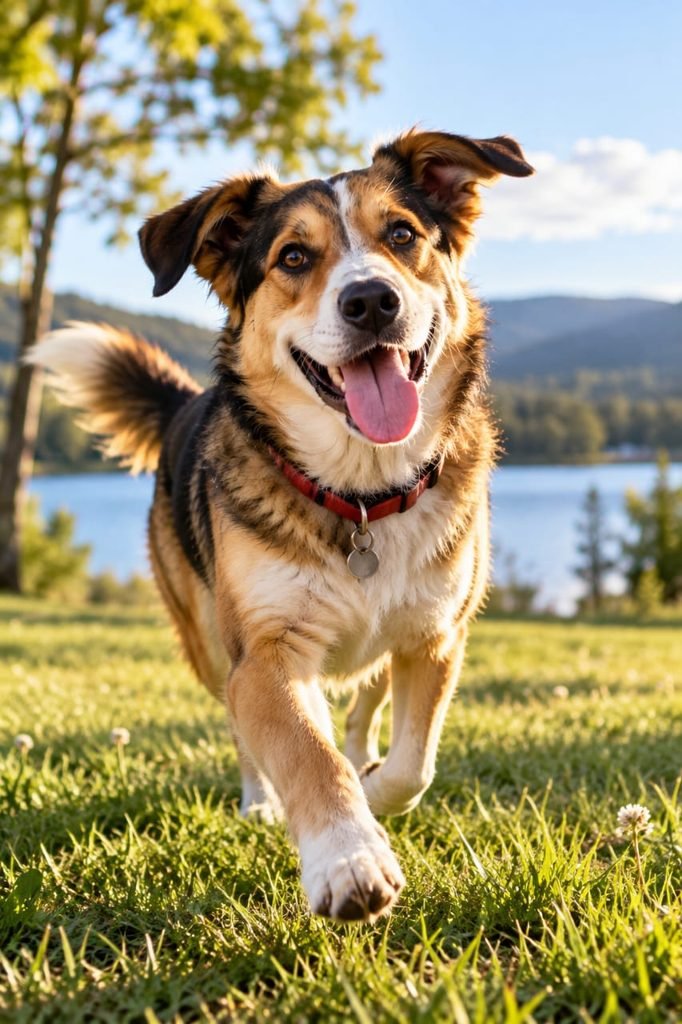
Dogs often do well when they know what to expect. A predictable routine can make everyday life easier and help a new dog settle into the household.
A daily schedule might include:
This does not mean every day must follow the exact same schedule. Real life changes, and dogs can learn to handle reasonable changes. The important thing is to establish enough consistency that your dog understands when to expect food, activity, rest, and bathroom opportunities.
Puppies may need much more frequent bathroom breaks and rest periods than adult dogs. Older dogs may also need adjustments based on mobility, energy, and health.
Nutrition is one of the foundations of good dog care. Choose a complete and balanced food appropriate for your dog’s life stage and individual nutritional needs. Puppies, adults, and senior dogs can have different requirements.
Follow the feeding guidance on the food label as a starting point, but remember that individual dogs may need adjustments. Your veterinarian can help determine an appropriate feeding plan if your dog has a medical condition, unusual weight changes, allergies, or other nutritional concerns.
Fresh water should always be available. Keep the water bowl clean and check it regularly.
Be careful with treats. Treats can be useful during training, but they still contribute calories to your dog’s diet. If your dog receives many treats, reduce other food appropriately and discuss the overall diet with your veterinarian if you are concerned about weight.
Some human foods can be dangerous for dogs, including chocolate, grapes and raisins, onions and garlic, and products containing xylitol. If your dog eats something potentially toxic, contact a veterinarian or an appropriate animal poison service promptly rather than waiting for symptoms to appear.
Exercise is important, but there is no single amount that is right for every dog. A young, energetic dog may need considerably more activity than an older dog with limited mobility.
Consider your dog’s age, health, physical condition, breed characteristics, and individual personality when planning exercise.
Exercise can include:
Do not assume that more exercise is always better. Puppies, senior dogs, and dogs with certain health conditions may need carefully controlled activity. If you are unsure about an exercise program, ask your veterinarian.

Physical exercise is only part of keeping a dog satisfied. Dogs also need opportunities to use their brains and natural behaviors.
Simple enrichment activities can include hiding treats for your dog to find, using food puzzles, teaching new tricks, practicing obedience commands, or allowing your dog to spend time safely sniffing during walks.
You can also rotate toys rather than leaving every toy available all the time. Introducing a familiar toy again after a short break can make it interesting without requiring you to constantly buy new products.
The best enrichment activities are safe, appropriate for your dog’s abilities, and enjoyable for the individual dog.
Training is not simply about teaching tricks. It gives your dog a way to understand what behavior you want and helps you communicate more clearly.
Start with simple behaviors such as:
Positive reinforcement means rewarding a behavior you want to see again. The reward can be a small treat, praise, play, or something else your dog values.
For example, if you want to teach “sit,” wait for your dog to sit naturally or guide them into the position appropriately. Immediately reward the behavior. Repeat the process in short sessions so your dog begins to understand the connection between sitting and receiving a reward.
Keep training sessions short and enjoyable. Several short sessions throughout the day can be more practical than one long session.
Potty training requires supervision, consistency, and patience. Puppies usually need more frequent bathroom opportunities than adult dogs.
Take your dog outside regularly, particularly after waking up, eating, drinking, playing, and sleeping. When your dog eliminates in the appropriate place, calmly praise and reward them immediately.
Watch for signs that your dog needs to go, such as sniffing, circling, becoming restless, or moving toward a previous bathroom area.
Accidents can happen. Avoid harsh punishment, especially after the accident has already happened. Your dog may not understand why they are being punished. Instead, clean the area thoroughly and focus on preventing future accidents through better supervision and a consistent schedule.
If an adult dog suddenly begins having frequent accidents after being reliably house-trained, talk with your veterinarian because medical problems can sometimes affect bathroom habits.
Socialization means helping your dog become comfortable with different people, environments, sounds, surfaces, and experiences. Good socialization is not about forcing your dog to interact with everyone.
Pay attention to your dog’s body language. If your dog appears frightened or overwhelmed, create more distance and give them time to relax.
For example, instead of forcing a nervous dog to greet a stranger, allow the dog to observe the person from a comfortable distance. Reward calm behavior and gradually increase exposure as the dog becomes more comfortable.
Puppies can benefit greatly from appropriate early experiences, but adult and senior dogs can also learn and become more comfortable with new situations.
One of the most useful skills a dog owner can develop is learning to recognize body language.
A relaxed dog may have a loose body, natural movement, and a comfortable posture. A frightened or stressed dog may try to move away, lower their body, avoid eye contact, lick their lips, yawn, freeze, or show other signs of discomfort.
These signals should not be ignored. If your dog is repeatedly uncomfortable in a particular situation, reduce the intensity of the situation and consider getting help from a qualified professional.
Understanding body language can help you prevent problems instead of waiting until your dog feels overwhelmed.
Grooming needs vary considerably between dogs. Coat type, lifestyle, age, and individual health all affect how often a dog needs brushing, bathing, nail care, and other grooming.
Regular brushing can help prevent mats and allows you to notice changes in the skin or coat. Nails should be kept at an appropriate length, but trimming can be stressful if your dog is not accustomed to it.
Introduce grooming gradually. Touch your dog’s paws, ears, and other areas gently while rewarding calm behavior. This can make future grooming much easier.
Dental care also deserves attention. Ask your veterinarian about appropriate tooth-brushing techniques and dental products for dogs.
Preventive veterinary care is an important part of raising a healthy dog. Your veterinarian can help you create an appropriate plan for vaccinations, parasite prevention, dental care, nutrition, weight management, and other health needs.
The appropriate frequency of veterinary visits depends on factors such as your dog’s age and health. Puppies and senior dogs may need different schedules from healthy adult dogs.
Keep a record of your dog’s vaccinations, medications, medical history, and important veterinary information. Having these details available can be especially useful during emergencies.
Dog owners should pay attention to changes in their pet’s normal behavior. A sudden change in appetite, energy, drinking, urination, breathing, mobility, or behavior can sometimes indicate a health problem.
Other concerning signs may include repeated vomiting or diarrhea, difficulty breathing, collapse, severe weakness, seizures, significant bleeding, or suspected poisoning.
Do not try to diagnose serious symptoms yourself. If you are concerned about your dog’s condition, contact your veterinarian. For severe or rapidly developing symptoms, seek emergency veterinary care.
Barking, chewing, digging, jumping, and pulling on the leash are common challenges for dog owners. The first step is to understand why the behavior is happening.
A dog that chews furniture may need better access to appropriate chew items, more supervision, more mental stimulation, or help managing stress. A dog that barks excessively may be reacting to sounds, people, other animals, fear, excitement, frustration, or other triggers.
Instead of asking only, “How do I stop this behavior?” ask, “What is causing this behavior, and what behavior do I want instead?”
For persistent, dangerous, or severe behavior problems, work with your veterinarian and, when appropriate, a qualified positive-reinforcement trainer or veterinary behavior professional.
Dog safety goes beyond keeping dangerous food out of reach. Check your home regularly for potential hazards.
Keep medications, chemicals, cleaning products, sharp objects, and small items securely stored. Make sure trash cannot be easily opened by a curious dog.
If you have a yard, inspect fences and gates regularly. Never assume that a dog cannot escape simply because they have never tried before.
Balconies and open windows can also present risks. Use appropriate barriers and supervision where necessary.
It is also a good idea to keep your veterinarian’s contact information easily accessible and know where the nearest emergency veterinary facility is located.
If you plan to travel with your dog, prepare in advance. Use an appropriate crate, carrier, or vehicle restraint according to your dog’s size and the transportation method.
Bring familiar items such as food, water, medication if prescribed, identification information, and a favorite comfort item. Make sure your dog’s identification information is current.
Never leave a dog unattended in a parked vehicle. Temperatures inside vehicles can become dangerous very quickly.
For longer trips, plan regular breaks where appropriate and research the rules and requirements of your destination before leaving.
The first week is often a period of adjustment. Your dog may behave differently from how they behaved at the shelter, breeder, foster home, or previous home.
Keep the environment calm and avoid overwhelming your new dog with too many visitors or new experiences at once.
Focus on a few priorities:
Do not expect a newly adopted dog to understand your household rules immediately. Learning takes time, and every dog adjusts at a different pace.
Your dog’s needs will change throughout life. Puppies need frequent bathroom breaks, careful socialization, appropriate nutrition, and plenty of sleep. Adult dogs may settle into more predictable routines. Senior dogs may need adjustments to exercise, diet, sleeping arrangements, and veterinary care.
Pay attention to changes rather than assuming that the same routine will work forever.
For example, an older dog that once enjoyed long walks may eventually benefit from shorter, gentler walks with more rest. Changes in mobility, appetite, weight, or behavior should be discussed with your veterinarian.
A strong relationship does not develop from feeding your dog alone. It grows through thousands of small interactions.
Spend time together. Walk together, train together, play together, and simply allow your dog to relax near you. Learn what motivates your dog and what makes them uncomfortable.
Trust grows when your dog can predict how you will respond. Avoid frightening or harsh methods and focus on teaching your dog what you want them to do.
Remember that your dog is an individual. Two dogs of the same breed can have completely different personalities, preferences, and learning styles.
Even caring owners make mistakes. What matters is learning from them.
You do not have to solve every dog-related problem alone. Asking for help is a responsible part of dog ownership.
Talk to your veterinarian about health, nutrition, sudden behavior changes, or other medical concerns. For training problems, consider a qualified trainer who uses humane, reward-based methods.
If your dog shows serious aggression, extreme fear, severe separation-related behavior, or another persistent problem, your veterinarian may recommend an appropriate behavior professional.
Getting help early can prevent a manageable problem from becoming much more difficult.
Consistency, patience, appropriate care, and a safe environment are among the most important foundations. Your dog needs reliable access to food, water, rest, exercise, training, social interaction, and healthcare.
Begin with simple behaviors such as sit, come, stay, and leave it. Use rewards to reinforce behaviors you want to see again. Keep sessions short and practice regularly.
There is no single exercise schedule that works for every dog. Consider age, health, breed characteristics, fitness, and individual energy level. Ask your veterinarian if your dog has health or mobility concerns.
Take your puppy outside frequently, especially after sleeping, eating, drinking, and playing. Reward successful bathroom trips immediately and supervise closely indoors. Avoid harsh punishment for accidents.
A crate can be useful when introduced gradually and positively. It should be a safe resting space, never a place for punishment. Dogs should not be confined for excessive periods.
Provide appropriate chew items, supervise your dog, restrict access to furniture when necessary, and reward your dog for choosing the correct item. Make sure your dog also receives enough exercise and mental stimulation.
Introduce your dog gradually to new people, environments, sounds, and appropriate animals. Keep experiences positive and respect your dog’s comfort level. Never force a frightened dog into an interaction.
Some foods that are safe for people can be dangerous for dogs, including chocolate, grapes and raisins, onions and garlic, and products containing xylitol. If your dog may have eaten a toxic substance, contact a veterinarian or animal poison service promptly.
Watch for changes from your dog’s normal behavior, including changes in appetite, energy, breathing, drinking, urination, mobility, or behavior. Repeated vomiting or diarrhea, collapse, seizures, breathing difficulty, or suspected poisoning require prompt veterinary attention.
Yes. Dogs can continue learning throughout their lives. Keep training sessions appropriate for your dog’s physical abilities and use positive reinforcement to make learning enjoyable.
Feeling overwhelmed can happen, especially during the first weeks with a puppy or newly adopted dog. Simplify the routine, focus on one training goal at a time, and ask your veterinarian or a qualified trainer for help when needed.
Learning how to raise a dog is a process rather than something you master in a single day. Your dog will change as they grow, and your approach will need to change with them.
Focus on the fundamentals: provide appropriate nutrition and fresh water, create a safe home, establish a predictable routine, offer suitable exercise and mental stimulation, use positive training methods, maintain good hygiene, and stay on top of veterinary care.
Most importantly, take time to understand the individual dog in front of you. Pay attention to their personality, body language, preferences, and changing needs. Be patient when mistakes happen, celebrate progress, and ask for professional help when a problem is beyond what you can comfortably handle.
Raising a dog comes with responsibilities, but it also creates countless opportunities for companionship and shared experiences. With consistency, patience, and thoughtful care, you can give your dog a safe and fulfilling life while building a relationship that grows stronger over the years.




Leave a comment